
FEED & ECI Advisory
Resolve foundation risks while change is still affordable.
An early-stage extension of our piling construction consulting and owner's representation mandates: practical construction input during FEED and ECI so foundation systems can be designed, packaged, procured, estimated, and scheduled with execution in mind.
Why This Matters
Why foundation input is needed during FEED.
By the end of FEED, most of the project's cost and schedule are effectively locked in. Foundation methodologies, equipment strategies, and procurement packages defined without construction perspective often need to be reworked mid-execution — at a much higher cost.
Foundation systems are chosen before construction constraints are fully understood.
Geotechnical information is interpreted for design, not for installation.
Production assumptions are inherited from generic benchmarks, not local contractor capability.
Scope boundaries between piling, earthworks, concrete, and structural packages are unclear.
Process
Our FEED and ECI review process.
STEP 01
Review geotechnical, design, and site information
STEP 02
Assess proposed foundation methodology and productivity
STEP 03
Test equipment, access, and logistics assumptions
STEP 04
Package the work for procurement and execution
Deliverables
Typical deliverables.
Timing
When to engage Deep Piles Ltd.
Best case
During feasibility or Pre-FEED, before the foundation concept and geotechnical program are locked in.
Common case
During FEED or ECI, before procurement packages are issued and long-lead equipment is ordered.
Still useful
At tender and preconstruction, to validate bids, close scope gaps, and confirm construction readiness.
Recovery
During active construction when productivity, methodology, or scope issues threaten schedule and cost.
Questions We Help Resolve
Foundation questions we help resolve.
- Q01
Does the geotechnical investigation provide enough information for construction planning?
- Q02
Can the proposed piles be installed using locally available equipment?
- Q03
Are pile lengths, diameters, installation tolerances, and testing requirements practical?
- Q04
Have refusal, obstructions, drivability, spoils, groundwater, noise, vibration, and environmental constraints been considered?
- Q05
Are anticipated installation rates realistic?
- Q06
Is there sufficient access and working-platform capacity?
- Q07
Can cranes and piling equipment be safely positioned?
- Q08
Are temporary works and marine access requirements identified?
- Q09
Are foundation interfaces clearly assigned?
- Q10
Is the package sufficiently developed to tender?
Outcomes
Expected project benefits.
- Fewer late-stage design changes
- Realistic pricing and production assumptions at tender
- Cleaner scope boundaries between piling, concrete, and structural packages
- Reduced equipment and access conflicts on site
- Foundation risks identified before they hit critical path
- Higher probability of on-schedule construction start
Constructability Evidence
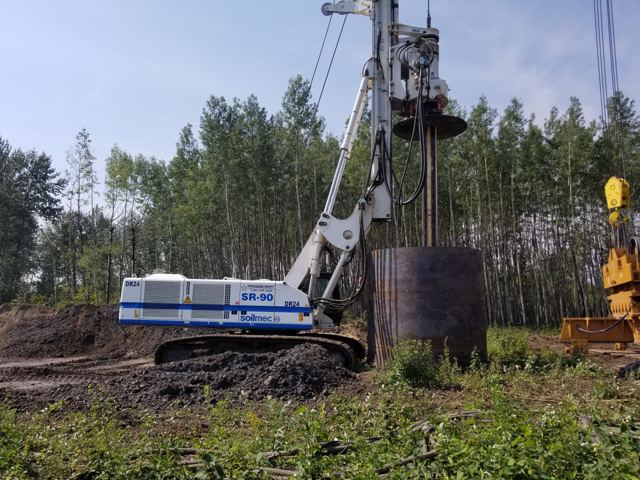
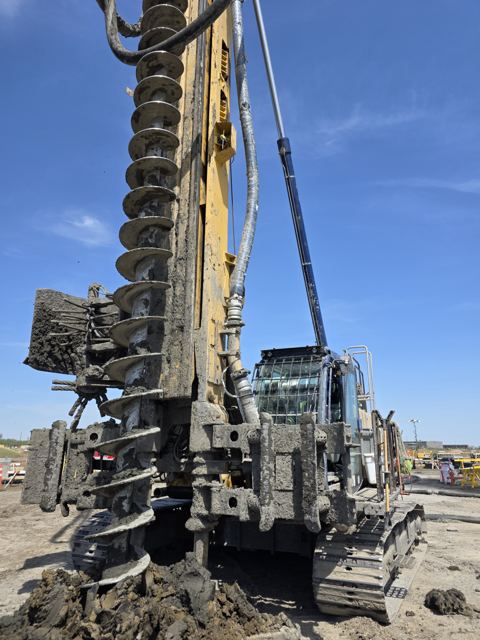
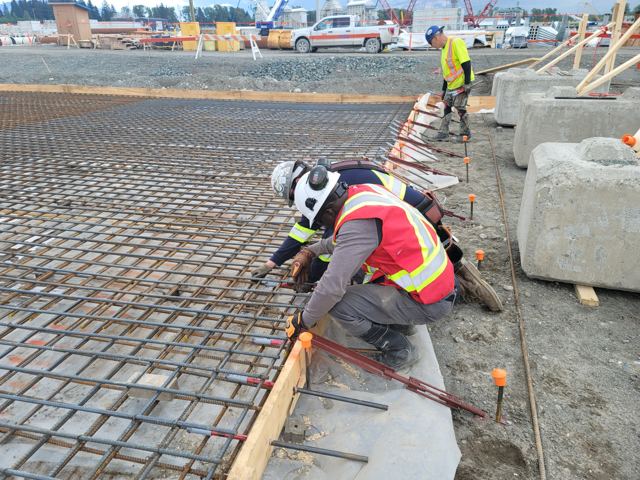
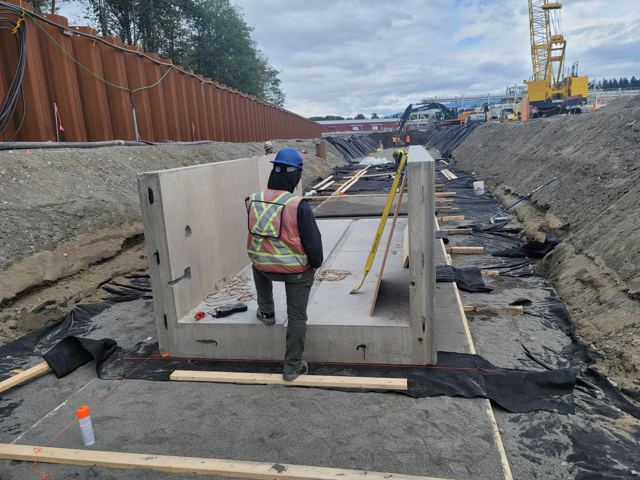
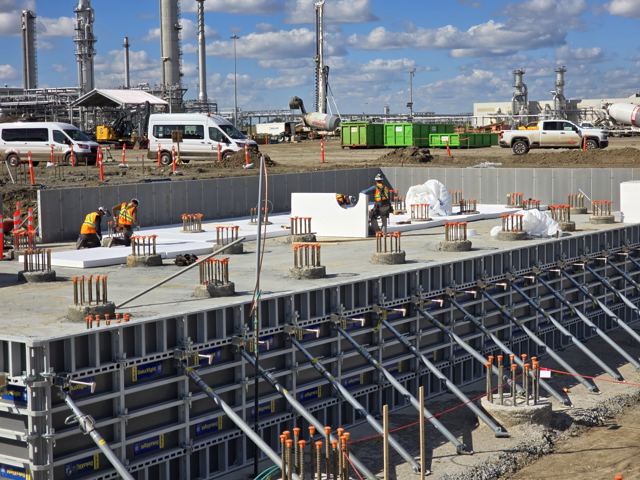
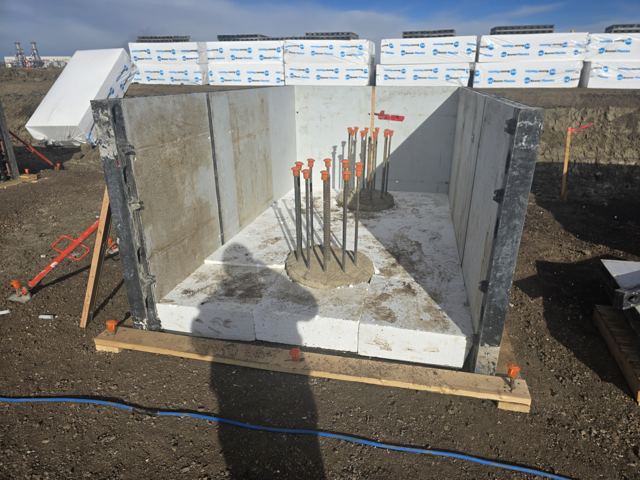
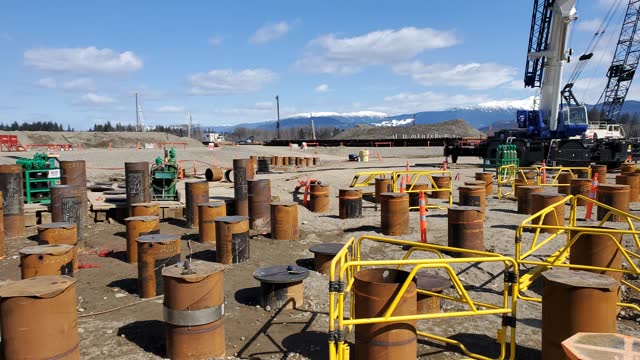
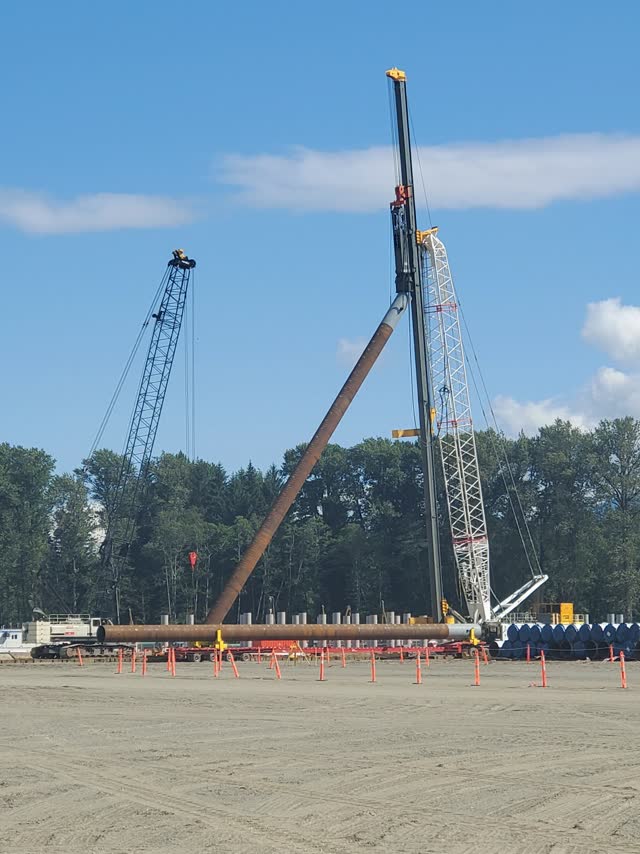
Early decisions tested against how the work actually gets installed — drilled shafts, CFA piles, formwork, and concrete foundations.
Foundation Certainty